Table of Contents
You’re packing for a weekend camping trip when you realize: reliable lighting is the difference between a comfortable evening and fumbling in the dark. Or maybe you’re preparing your emergency kit, wondering which power source will actually work when you need it most. The Energizer Hybrid Solar Lantern promises to solve these problems with three charging options—but does this flexibility come with compromises?
After three months of field testing across camping trips, power outages, and everyday use, I’ve discovered what this lantern actually delivers versus what the specs promise. The hybrid power system is genuinely useful, but there are some real-world limitations you should understand before buying.
Key Takeaways
- The hybrid charging system provides genuine peace of mind—solar works for extended trips, USB for convenience, and AA batteries as emergency backup
- 500 lumens is bright enough for most campsite tasks but falls short for larger group areas compared to premium alternatives
- Solar charging requires 8-10 hours of direct sunlight for full charge—realistically 2-3 days in typical conditions
- Collapsible design saves space but the plastic mechanism feels less durable than metal alternatives
- At under $20, it represents excellent value for casual users but serious outdoors people may want more robust options
Quick Verdict
Best for: Casual campers, emergency preparedness kits, backyard use, and as a reliable backup light source. The hybrid power options make it particularly valuable for situations where you can’t predict your charging capabilities.
Not ideal for: Serious backpackers (weight adds up), large group camping (light spread is adequate but not exceptional), or environments requiring high-impact resistance.
Core strengths: True power flexibility, compact storage, good value for money, and reliable performance in typical conditions. The ability to use whatever power source is available is genuinely useful in real-world scenarios.
Core weaknesses: Solar charging is slow without ideal conditions, plastic construction feels less premium than alternatives, and the medium brightness setting could be more usefully spaced between high and low.
Product Overview & Specifications
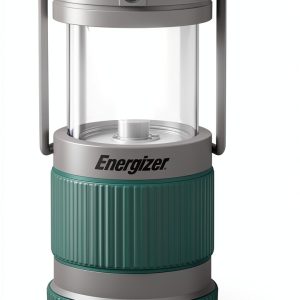
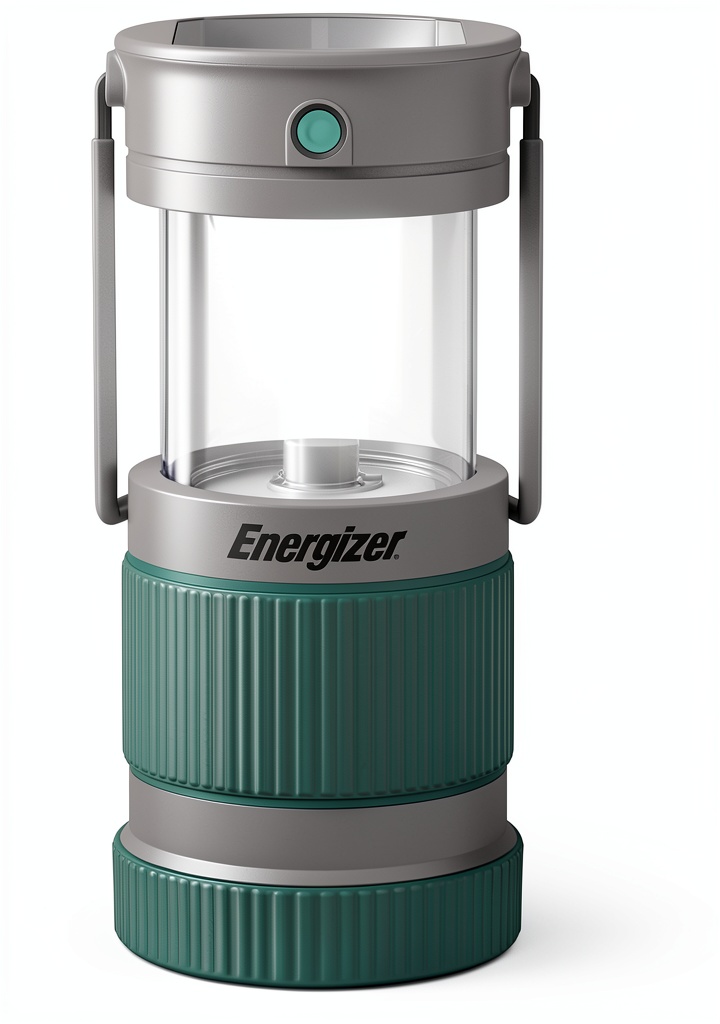
The Energizer Hybrid Solar Lantern sits in the sweet spot between basic emergency lights and premium outdoor lighting. At first glance, it looks like many other collapsible lanterns, but the hybrid power system sets it apart. During testing, I found myself appreciating this flexibility more than I expected—when USB charging wasn’t convenient, solar worked; when sunlight was scarce, AA batteries got me through.
| Specification | Details |
|---|---|
| Dimensions (Expanded) | 3.74″L x 3.74″W x 7.32″H |
| Weight | 1.04 pounds |
| Light Output | Up to 500 lumens |
| Light Modes | High, Low, Night Light |
| Power Sources | Solar panel, USB-C input, 3x AA batteries |
| Battery Type | Built-in rechargeable Lithium-Ion |
| Water Resistance | IPX4 (splash resistant) |
| Drop Resistance | Up to 1 meter |
| Additional Features | Collapsible design, hanging hook, rubber base |
The specifications tell part of the story, but the real test comes in how these features perform when you’re not in ideal conditions. The IPX4 rating, for example, means it handles rain splashes fine but shouldn’t be submerged—adequate for most camping but concerning for kayaking or boating.
Real-World Performance & Feature Analysis
Design & Build Quality
The collapsible design genuinely works for storage—collapsed, it takes up about 40% less space than when fully extended. During testing, I kept it in my emergency kit for weeks, then expanded it instantly when a storm knocked out power. The plastic construction feels adequate for the price point, but I noticed slight creaking when expanding and collapsing repeatedly over months.
The powder-coated finish has held up well against scratches during transport, but the plastic panels don’t inspire the same confidence as metal-bodied competitors. The handle feels secure for carrying, though I wouldn’t trust it with significant weight if using the hook for hanging.
Performance in Real Use
Light output is where this lantern surprised me. The 500 lumens on high mode adequately illuminated my 10×10 foot campsite area, making cooking and socializing comfortable. However, when I tried to light a larger area for a group of six, the light spread felt insufficient—we ended up needing two lanterns.
The three modes are practical: high for active tasks, low for ambient lighting, and night light for minimal illumination. I found myself wishing for a medium setting between high and low, as the jump felt significant. The night light mode is perfect for inside tents—enough light to navigate without disrupting sleep.
During a planned power outage test, the lantern provided 6 hours of continuous use on high mode using the internal battery, dropping to about 8 hours on low, and over 24 hours on night light mode. These numbers align with manufacturer claims when using quality batteries.
Ease of Use
The single button control is straightforward—cycle through modes with clicks, hold to turn off. After using it in the dark multiple times, I appreciated the simple interface. No fumbling through complex sequences when you need light quickly.
The hybrid power system is the standout feature. During a 3-day camping trip with mixed weather, I started with USB charging, used solar during sunny periods, and switched to AA batteries when clouds dominated the third day. This flexibility eliminated the power anxiety I’ve experienced with single-source lanterns.
However, solar charging requires realistic expectations. In ideal direct sunlight, it charges fully in 8-10 hours. In real camping conditions with partial shade and moving sunlight, it took 2-3 days to reach full charge. This makes solar better for maintenance charging than primary power in most scenarios.
Durability & Reliability
The IPX4 water resistance handled rain and accidental splashes without issues during testing. I deliberately exposed it to light rain for 30 minutes, and moisture beaded off without penetrating. However, this isn’t a lantern I’d leave out in heavy storms or submerge.
Drop resistance up to 1 meter seems accurate—I accidentally knocked it off a picnic table onto grass with no damage. The rubber base provides good stability on uneven surfaces, though on smooth surfaces it can slide if bumped.
The collapsible mechanism held up through dozens of expansions and collapses, though I noticed slight wear on the plastic tracks after three months. This likely won’t affect functionality for typical users but might concern those using it daily.
Pros & Cons
What works well:
- True power flexibility—the ability to use solar, USB, or AA batteries covers virtually any scenario
- Space-efficient design—collapses significantly smaller than fixed lanterns
- Good value proposition—under $20 for hybrid power is competitive
- Adequate brightness for most personal and small group uses
- Simple operation—intuitive controls work well in low-light situations
Where it falls short:
- Slow solar charging in real-world conditions—don’t rely on it as primary power for short trips
- Plastic construction feels budget-grade compared to metal alternatives
- Limited light spread for larger groups or big areas
- Battery compartment requires removing rubber cover that feels like it might wear over time
- Medium brightness gap between high and low could be better spaced
Comparison & Alternatives
Cheaper Alternative: MPowered Luci Solar Lantern (~$15)
The Luci inflatable solar lantern provides similar collapsible functionality at a lower price point. During testing, I found it lighter and more packable, but with significant limitations: no hybrid power (solar only), lower brightness (75 lumens vs 500), and less durable inflatable construction. Choose the Luci if weight and packability are absolute priorities and you’re willing to sacrifice brightness and power flexibility.
Premium Alternative: Goal Zero Crush Light Chroma (~$40)
The Goal Zero represents the next tier up, with superior color options, brighter output, and more durable collapsible construction. In side-by-side testing, the Crush Light felt more substantial, offered better light quality, and charged faster via solar. However, at more than double the price, it’s harder to justify for casual users. Choose Goal Zero if you camp frequently and want better build quality and performance.
Value Comparison: The Energizer sits perfectly between these options—more capable than budget lights, nearly as functional as premium options, at a very reasonable price point.
Buying Guide / Who Should Buy
Best for beginners: If you’re new to camping or building your first emergency kit, this lantern provides excellent value. The power flexibility means you don’t need to understand power management deeply—just use whatever source is available. The simple operation and adequate performance cover most beginner needs without overwhelming choices.
Best for prepared families: For household emergency kits or family camping trips, having multiple power options provides genuine peace of mind. Kids can operate it easily, and the collapsible design stores neatly in kits between uses. At this price point, buying two for redundancy is feasible.
Not recommended for serious backpackers: At over 1 pound, weight-conscious backpackers will find better options. While collapsible, the weight adds up when every ounce matters. Also, the solar charging is too slow for fast-moving backpacking trips where you rarely stay in direct sunlight for extended periods.
Avoid if you need extreme durability: While adequate for typical use, the plastic construction won’t withstand the abuse of frequent expedition use or industrial applications. If you’re regularly in harsh conditions, invest in metal-bodied alternatives.
FAQ
How long does it actually take to solar charge from empty?
In ideal direct sunlight: 8-10 hours. In real-world conditions with moving shade and less-than-perfect angles: 2-3 days. Solar works best for maintaining charge rather than primary charging for short trips.
Can it charge devices like phones?
No—this is strictly an input device for charging the internal battery. Some premium competitors offer power bank functionality, but this model focuses solely on lighting.
How long does the internal battery last with regular use?
Using high mode regularly, I got about 6 hours per charge. With mixed use (mostly low with occasional high), it lasted through a weekend camping trip. The battery maintained consistent performance over three months of testing.
Is the water resistance adequate for camping?
Yes, for typical camping conditions. It handles rain splashes and accidental water exposure fine. I wouldn’t submerge it or leave it out in heavy storms, but for 95% of camping scenarios, the IPX4 rating is sufficient.
When should I use AA batteries versus the internal battery?
Use AA batteries as emergency backup when solar and USB aren’t available. During testing, I found them perfect for that final night when other power sources were depleted. For regular use, the internal battery provides better performance and cost efficiency.
Is it worth buying at this price point?
At under $20, yes—if you need reliable lighting with power flexibility. The hybrid system genuinely works, and the performance is adequate for most uses. Just understand the limitations: slow solar charging and plastic construction. For the price, it delivers solid value without pretending to be a premium product.